- The Business Bulletin Newsletter
- Posts
- The Rise of Russian Oligarchs: How a Few Men Bought a Country
The Rise of Russian Oligarchs: How a Few Men Bought a Country
When capitalism met corruption and created billionaires overnight
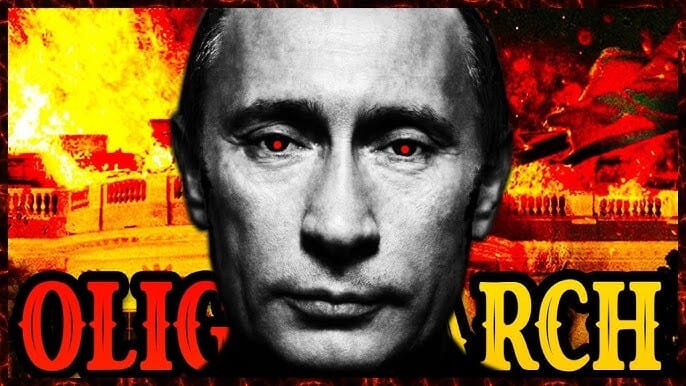
Hey friend,
Imagine a country where seven businessmen literally bought the government. Where state-owned oil companies worth billions were sold for pennies to people with the right connections. Where being a businessman meant dodging assassinations and carrying suitcases filled with a million dollars in cash.
That was Russia in the 1990s, and today I’m telling you how a small group of opportunists became oligarchs - the men who owned everything.
This is the story of Boris Berezovsky and Roman Abramovich, and how they went from nothing to controlling a nation.
When Everything Changed Overnight
In 1991, the Soviet Union collapsed. After decades of communism, Russia suddenly switched to capitalism practically overnight.
President Yeltsin introduced policies to deregulate prices and open markets. The idea was noble - transform Russia into a free market economy.
The reality? It was a disaster for most people.
The Russian currency plummeted. Industrial output was cut in half. Unemployment doubled. Millions of ordinary Russians who’d been getting by under communism suddenly found themselves in poverty, selling their clothes on the street just to eat.
But while most Russians suffered, a small group of clever, ruthless men saw opportunity everywhere.
The Man Who Figured Out the Loophole
Boris Berezovsky was born Jewish in an anti-Semitic society with no connections to power. Under communism, the best he could hope for was a quiet life as a mathematician.
But this was the new capitalist Russia, and Boris had spotted a brilliant loophole.
Because of hyperinflation, the ruble was losing value incredibly fast. Boris realized he could buy cars with just a small down payment and pay the rest later. By the time he actually paid, the currency was worth drastically less.
It’s like you selling someone a $10,000 car, but by the time they pay you months later, that $10,000 only buys what $5,000 used to. You’ve basically given away a car for half price.
Boris used this simple trick to make his initial fortune.
Then someone tried to blow him up.
The Car Bomb That Changed Everything
In 1994, Boris was sitting in his Mercedes when a bomb exploded. He crawled through flames and broken glass to escape. His driver wasn’t so lucky - he’d been decapitated by the blast.
In 1990s Russia, businessmen being murdered was basically a daily occurrence. They called it “The Wild East” - lawless capitalism where deals were settled with bullets, not contracts.
Boris survived, but he realised something crucial: money alone couldn’t protect him. He needed power. Political connections. The kind of influence that keeps assassins away.
He needed to become an oligarch.
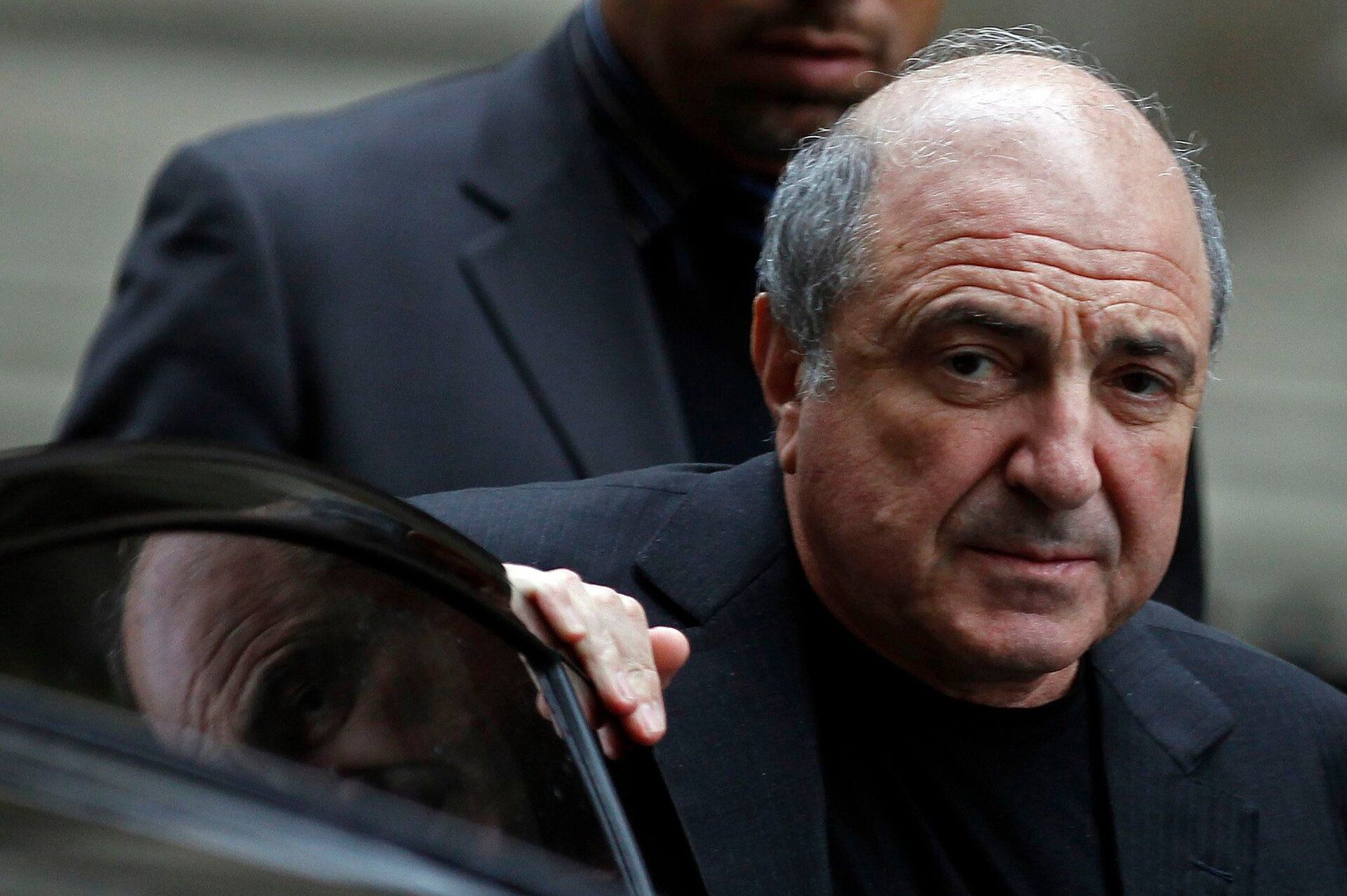
The Seven Bankers Who Bought a Government
By the mid-1990s, Yeltsin’s presidency was in trouble. His policies had made most Russians miserable, and he was almost certain to lose the next election.
That’s when Boris and six other wealthy businessmen formed a group that would become known as “The Seven Bankers.”
They made Yeltsin a deal: We’ll fund your entire re-election campaign and use our media companies to make you look good. In exchange, you let us buy Russia’s state-owned companies for almost nothing.
It was the most corrupt bargain in modern history.
As Russia privatized industries that used to be government-owned, these state assets were sold at tiny fractions of their real value to people with government connections.
Boris got control of Russia’s largest TV channel, ORT. He turned it into a propaganda machine running endless positive stories about Yeltsin.
The Seven Bankers collectively poured millions into Yeltsin’s campaign and controlled massive parts of the media.
It worked. Yeltsin, who’d been certain to lose, narrowly won re-election.
The Seven Bankers had just bought a government.
The Orphan Who Became a Billionaire
Around this time, Boris met a young businessman on a yacht. The guy had an interesting pitch about buying an oil company.
His name was Roman Abramovich - yes, the same guy who later bought Chelsea Football Club.
Roman’s backstory was tragic. His mother died when he was young, his father was killed in a construction accident. By age 4, he was an orphan shipped off to one of the harshest environments on Earth.
He tried engineering, joined the army, worked as a mechanic. Eventually, he started businesses - first selling rubber ducks and toys, then moving into oil trading.
On that yacht, Roman pitched Boris a simple idea: help me buy one of Russia’s largest oil companies, Sibneft. In normal circumstances, Roman could never afford it and the government would never allow it.
But Boris had connections. He was in Yeltsin’s inner circle.
They made a deal. Boris would use his political influence to make it happen. Roman would run the business and deliver suitcases of cash to Boris as payment.
Shortly after, President Yeltsin privatized Sibneft. Roman bought it for around $100 million - even though it was worth several billion.
The suitcases started flowing. Often a million dollars at a time, delivered directly to Boris.
Life at the Top
For the rest of Yeltsin’s presidency, the oligarchs thrived. Boris, Roman, and the other five bankers controlled nearly half of all wealth in Russia.
They owned the banks, the oil, the gas, the media. They had the government’s ear and could do whatever they wanted without regulation or oversight.
Boris lived extravagantly - yachts, private planes, the works. Meanwhile, most Russians struggled to put food on their tables.
But another election was coming, and the oligarchs feared the Communists might return to power. They needed a strong successor to Yeltsin.
They chose a former KGB officer named Vladimir Putin.
Big mistake.
The Man They Couldn’t Control
When Putin became president in 1999, the oligarchs thought they’d won again. They’d installed another puppet they could control.
Putin had other ideas.
Shortly after taking power, he publicly declared: “Those who combine power and capital, these oligarchs, will cease to exist as a class.”
In private, Putin gave them a simple choice: Keep your wealth if you pay me tribute and stay completely out of politics. Cross me, and I’ll destroy you.
Roman Abramovich took the deal. He stayed quiet, paid his tribute, and kept his fortune.
Boris Berezovsky refused. He felt insulted - he’d helped put Putin in power, and this was his thanks? He started using his TV channel to attack Putin and spoke out against him publicly.
Putin responded with investigations, charges of money laundering, and an arrest warrant. In 2002, Boris had to flee Russia and go into exile in London.
The Fall